Why Scarlet Skips Is Worth Considering: One Button, Several Ways to Approach a Run
A rope, a character, and a single input: Scarlet Skips starts with a premise that does not need a long explanation. What makes it worth considering is the way upgrades can turn a familiar jump into something less predictable. If you enjoy games where a small mechanical change gives you a new problem to solve, this is a more useful starting point than simply asking whether the controls are easy.
The recommendation here is about that structure, not a promise of a flawless build or a review based on extensive personal playtesting. I maintain Scarlet Skips Hub, an independent fan resource. The game belongs to its creators, and the guide is not an official source. Keeping that distinction clear matters when some of the most interesting advice comes from player reports rather than published formulas.
A clear premise without an invented story
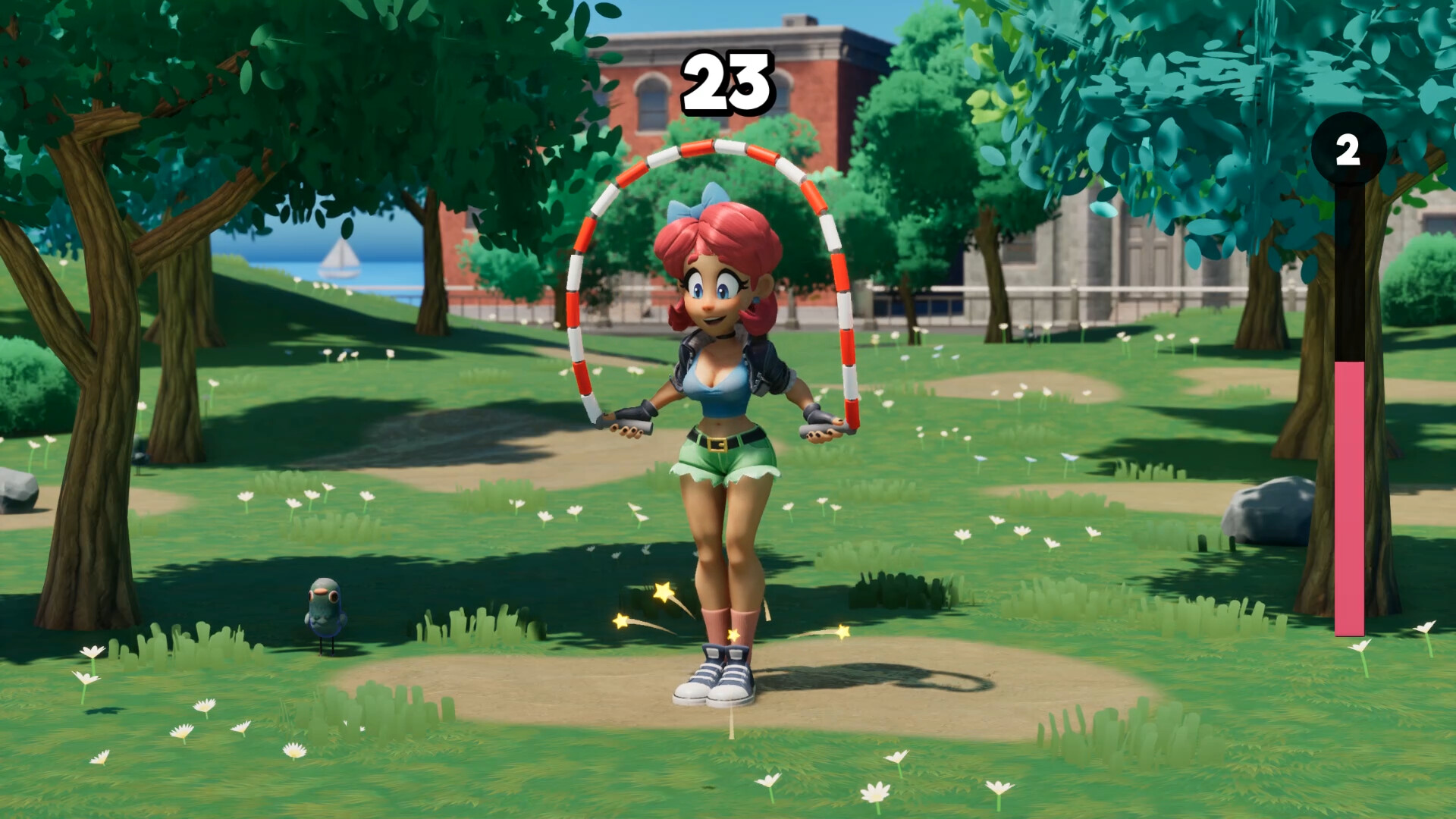
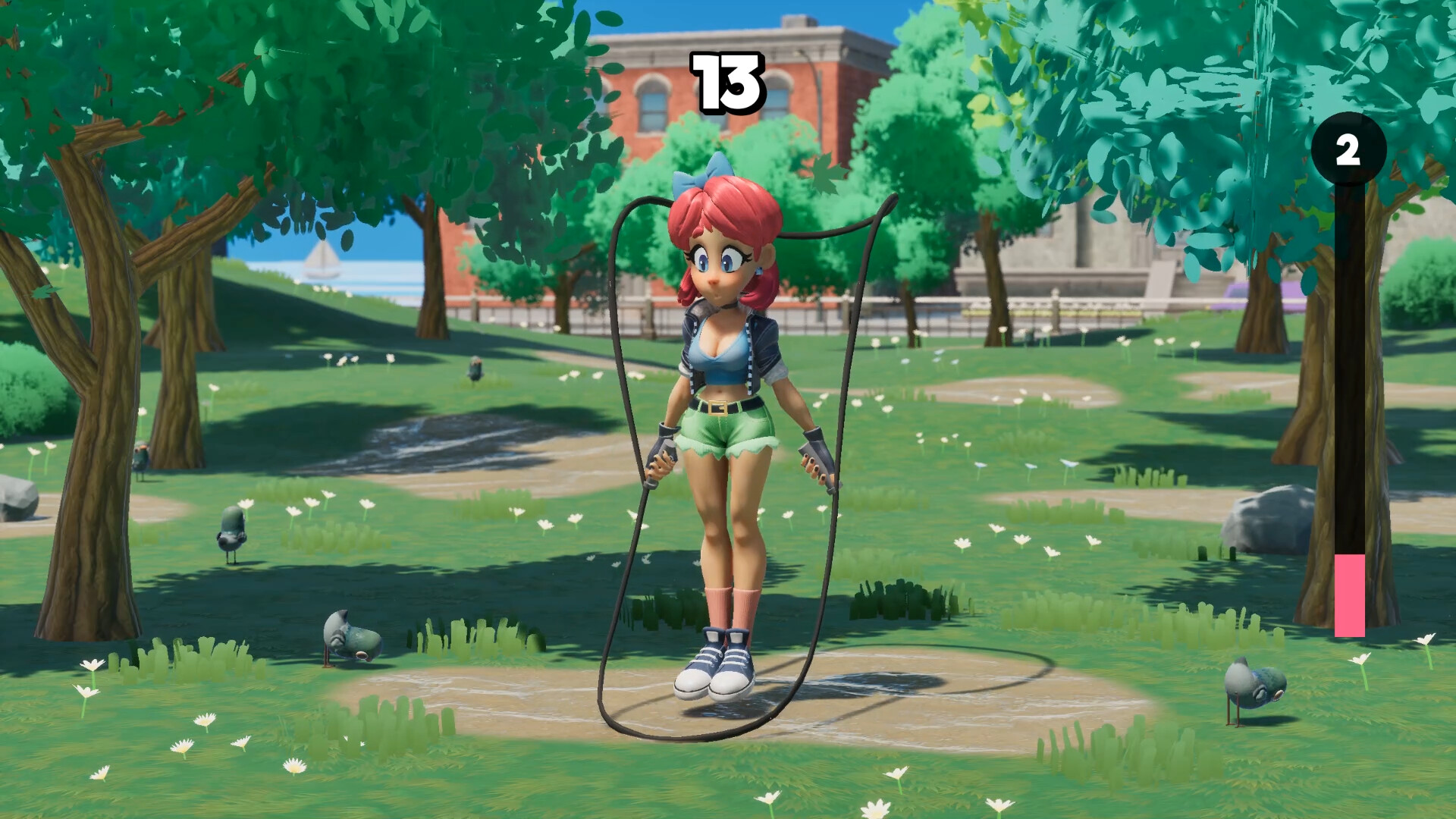
You play as Scarlet and work with the jump-rope action, then make choices as upgrades become available. That is enough to explain the central appeal without inventing a campaign, a cast of companions, or an elaborate backstory. The screenshots show the character and the rope in an outdoor setting, but the practical focus is the relationship between movement, timing, and the next choice.
This makes the game a different proposition from an exploration-heavy adventure. Rather than deciding which distant area to visit, you are considering how to handle an action that keeps returning. Familiarity becomes useful, but an upgrade can disturb it. A player who enjoys revisiting a compact mechanical problem may find that attractive; a player looking mainly for a long narrative should judge the official description against that expectation.
The same button does more than one job
The basic input is described in terms of pressing, holding, and releasing. It is tempting to collapse that into a single instruction, but those moments are worth separating. Starting an input, staying with it, and preparing for the return to the ground are different parts of the action. When something goes wrong, identifying the part is more helpful than treating the entire attempt as a timing failure.
An approachable practice goal is to watch one phase at a time. First notice the relationship between the rope and the beginning of the jump. Then observe the landing. If you change your input habits after every miss, you may have trouble identifying what improved. A repeatable observation can be a better result than one unusually high number that you cannot explain.
Upgrades change the question you are answering
The level-up choice presents three cards, which introduces a decision beyond the initial input. The interesting part is not merely collecting more power. It is deciding whether a change helps the objective of this particular run. More movement, more pressure, or a different rhythm can be useful while also creating a new thing to track. A stronger-looking option is not necessarily simpler to control.
For example, if a landing is already difficult to anticipate, an additional movement change may make the cause harder to follow. That is not a reason to reject the option forever. It is a reason to decide whether the current attempt is for consistency or experimentation. A learning run can succeed by making a trade-off visible, even when it does not produce the result you originally hoped for.
Choose between learning, scoring, and a route
The reference material distinguishes Moon, score, and spectacle-oriented approaches. Those labels describe different priorities; they should not become three guaranteed recipes. A route someone reports completing is evidence about that attempt, not proof that every card order or condition will work identically. Details such as thresholds and unpublished calculations deserve more caution than a confident checklist often suggests.
Before reading further, decide what information you actually want. A controls explanation can help without revealing ending details. An upgrade reference can answer a question about a card without committing you to a whole build. Our Scarlet Skips beginner guide follows that narrower approach: identify the immediate problem, understand the next choice, and leave later-route material for when it becomes relevant.
Read card lists with their context
A reference list and the set of ordinary offers are not always the same thing. The site's upgrade material separates regular-progression entries from special entries, and it notes a difference between the store's advertised card count and the broader reference table. The useful lesson is not to memorize a single total. It is to check which kind of entry you are reading before assuming it will appear in a normal selection.
The same caution applies to an illustrative simulator. A teaching model can make a relationship easier to inspect, but its calculated result is not an official game score. On the Scarlet Skips build comparison page, the simulator is a way to explore an idea before checking the actual game. It should not be used to certify records, establish hidden formulas, or promise that a route is optimal.
Who should look more closely?
Consider Scarlet Skips if you like a clear repeated action, choices that alter how it feels, and the process of understanding a mistake. Be more cautious if your enjoyment depends on a large explorable world, extensive dialogue, or a build guide that removes uncertainty. None of those expectations should be supplied by a fan site's enthusiasm when the verified material does not support them.
There is also a content-suitability point: the official store has a mature-content notice. Simple controls do not make a game suitable for every audience, so read the current store information before deciding to play. For those who like the mechanical premise, the most productive first objective is modest: learn one jump well enough to notice what the next card changes. That gives the following run a specific question rather than another unexplained restart.


评论
发表评论